What a Link Becomes
A bookmark is a placeholder. You save the link trusting the article will still be there when you come back. Then the page redesigns, the popup walls go up, the piece gets edited, or the site quietly disappears. What you kept was an address. The thing you cared about lived at that address, briefly.
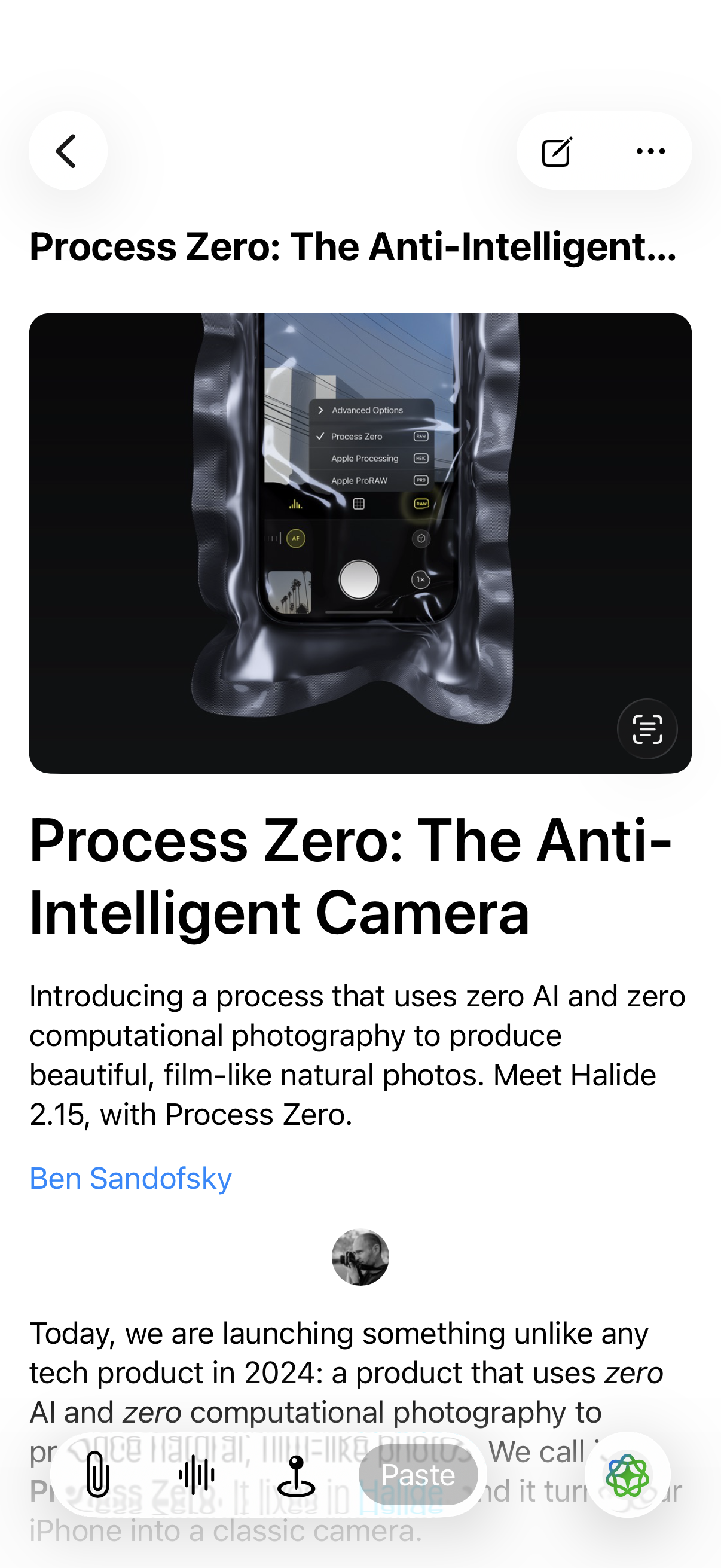
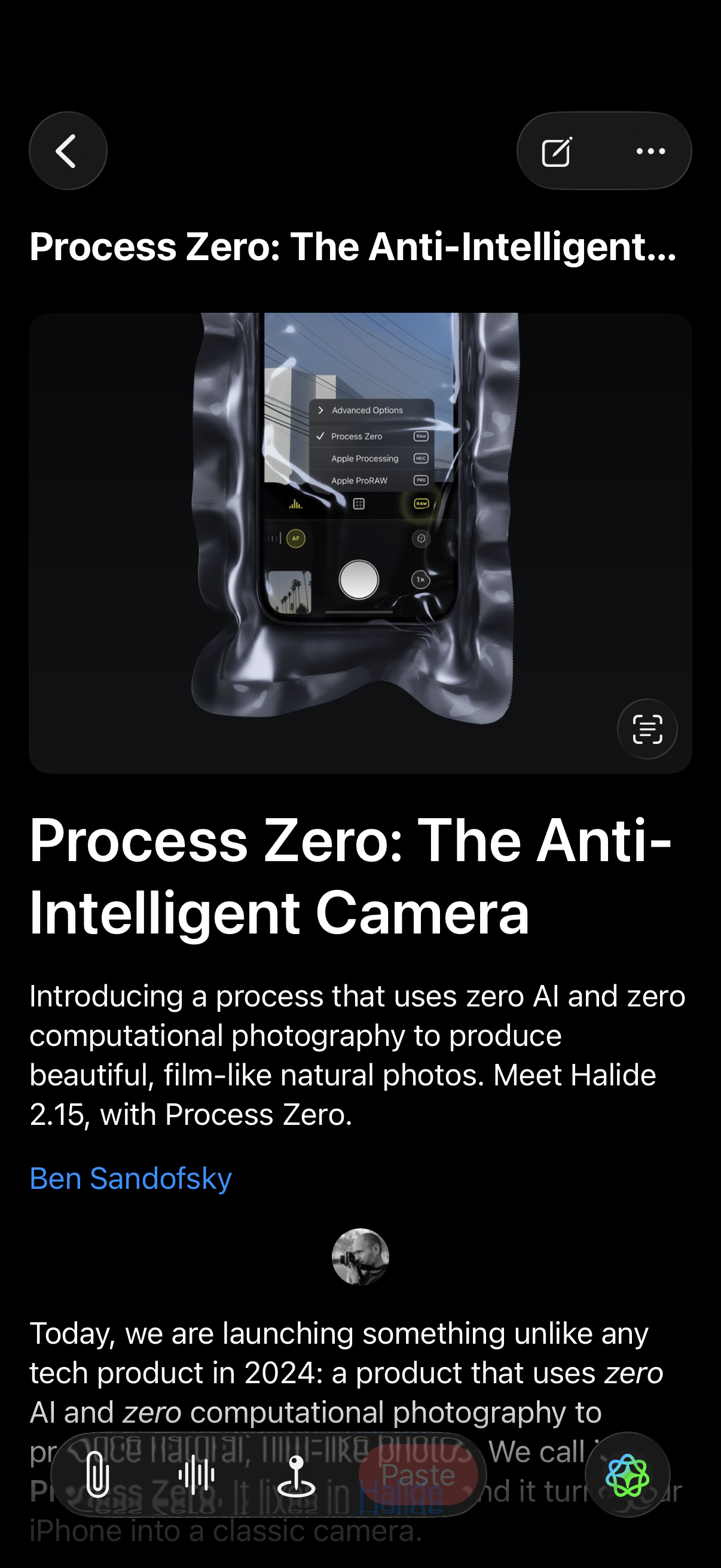
Digext doesn't save addresses. Paste a link, and Digext goes and gets the content, the words, the images, the structure, and makes it yours, on your phone, in a form that will read the same in five years as it does today.
The page is not the content
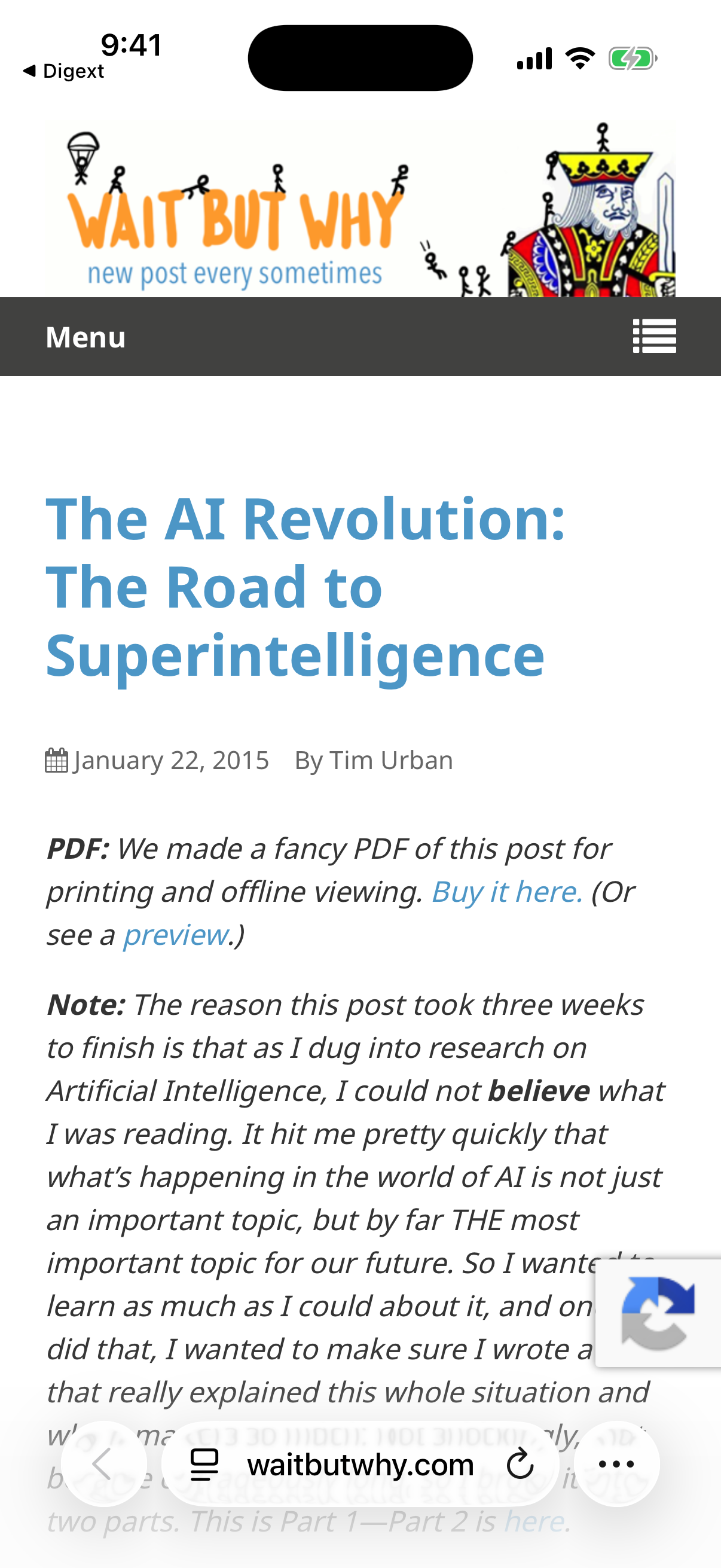
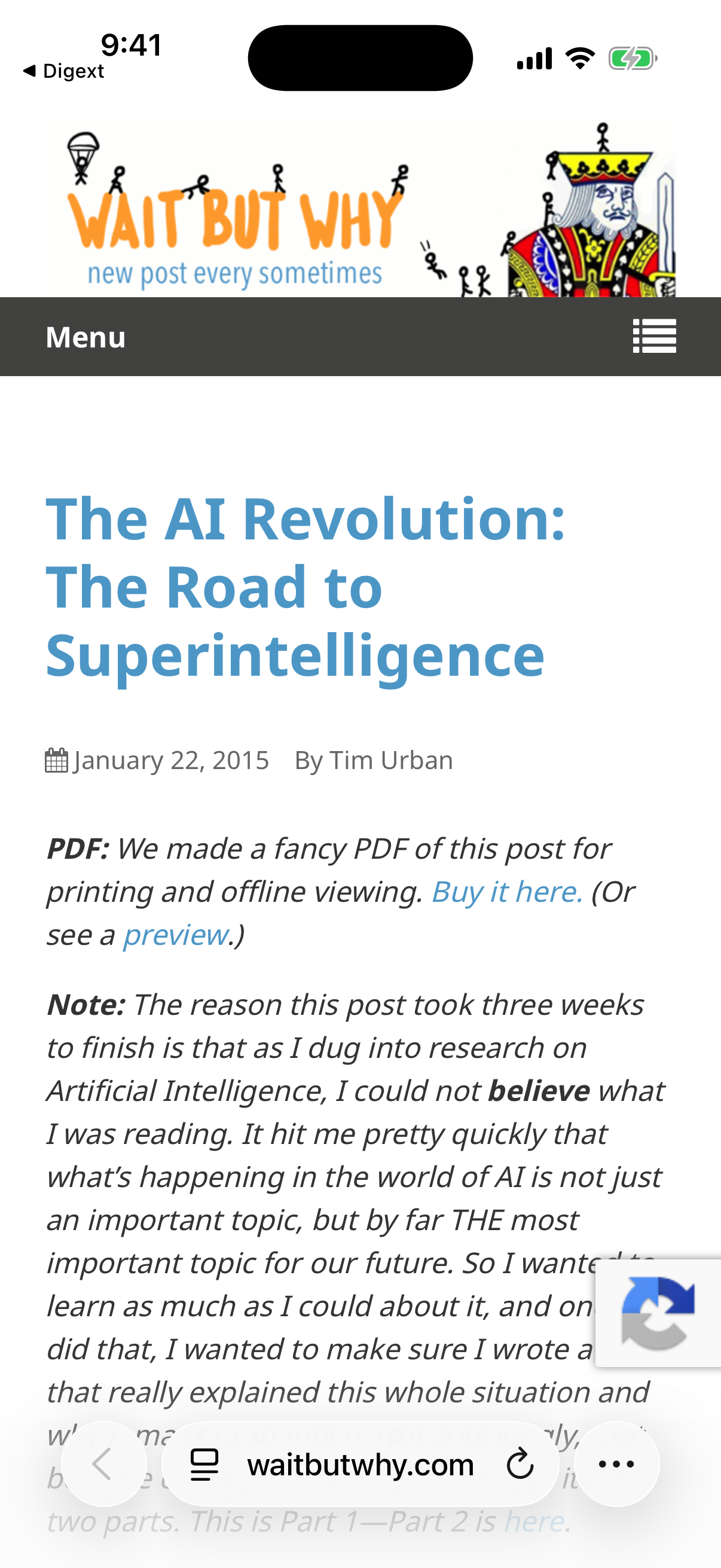
Here's the thing a decade of "read later" apps taught everyone: a web page carries a lot you didn't come for. Nav bars, cookie banners, ads, newsletter popups, related-content sludge. The content, the reason you copied the link, is a fraction of what actually loads.
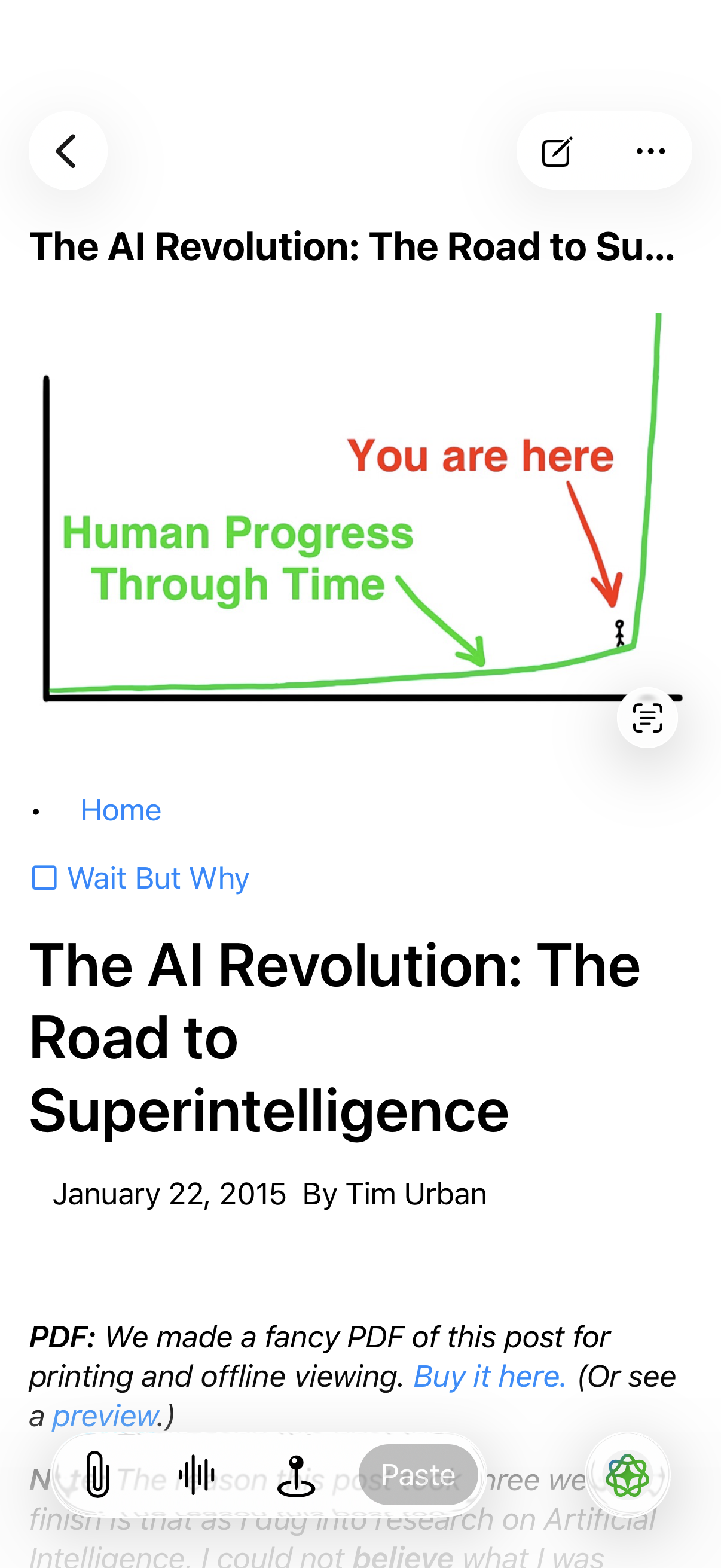
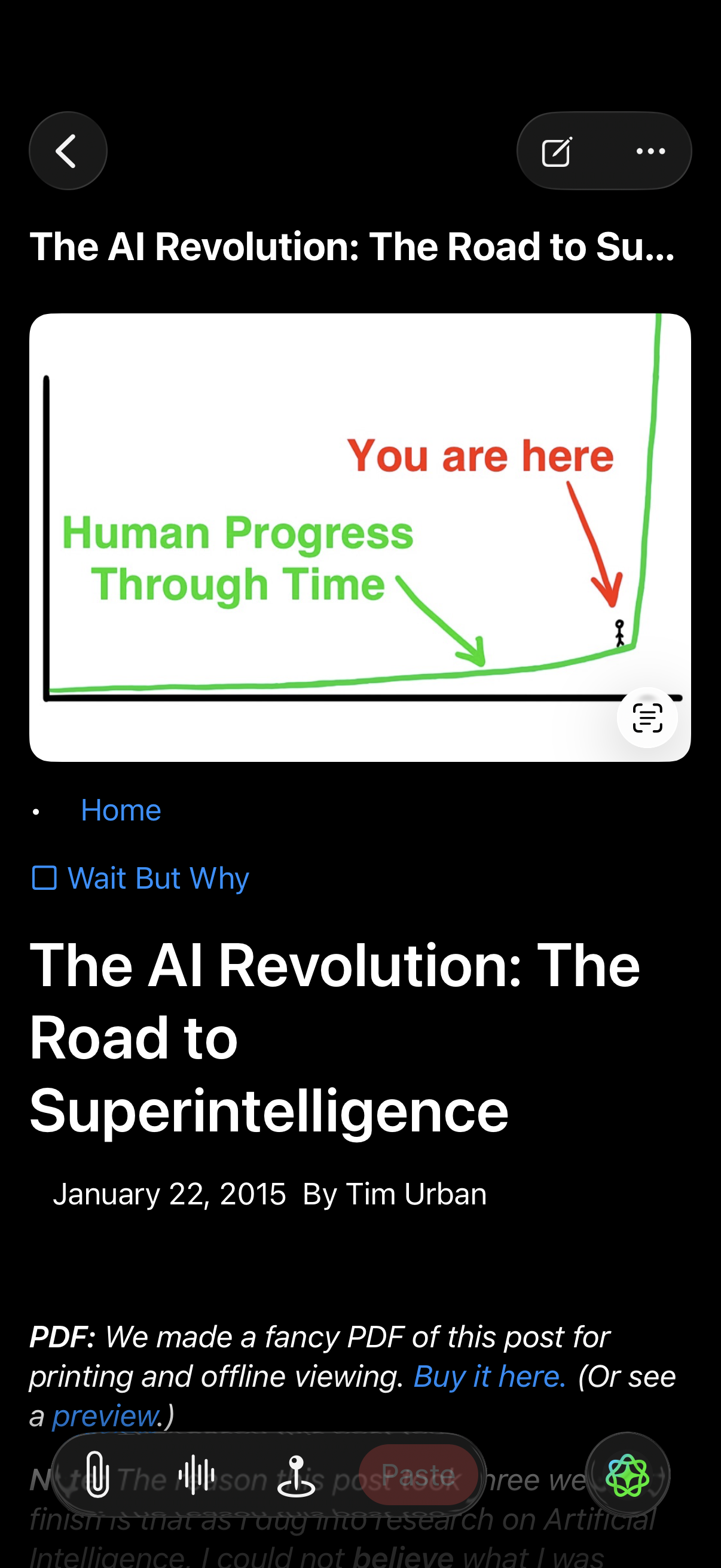
So when you paste a URL, Digext extracts the page's content and leaves the distractions behind: the words, the images, the structure, and none of the clutter around them. Different platforms package content differently, so each link is routed to an extractor that knows the shape it's dealing with: an article, a thread, a post, a recipe.
Rendered like it matters
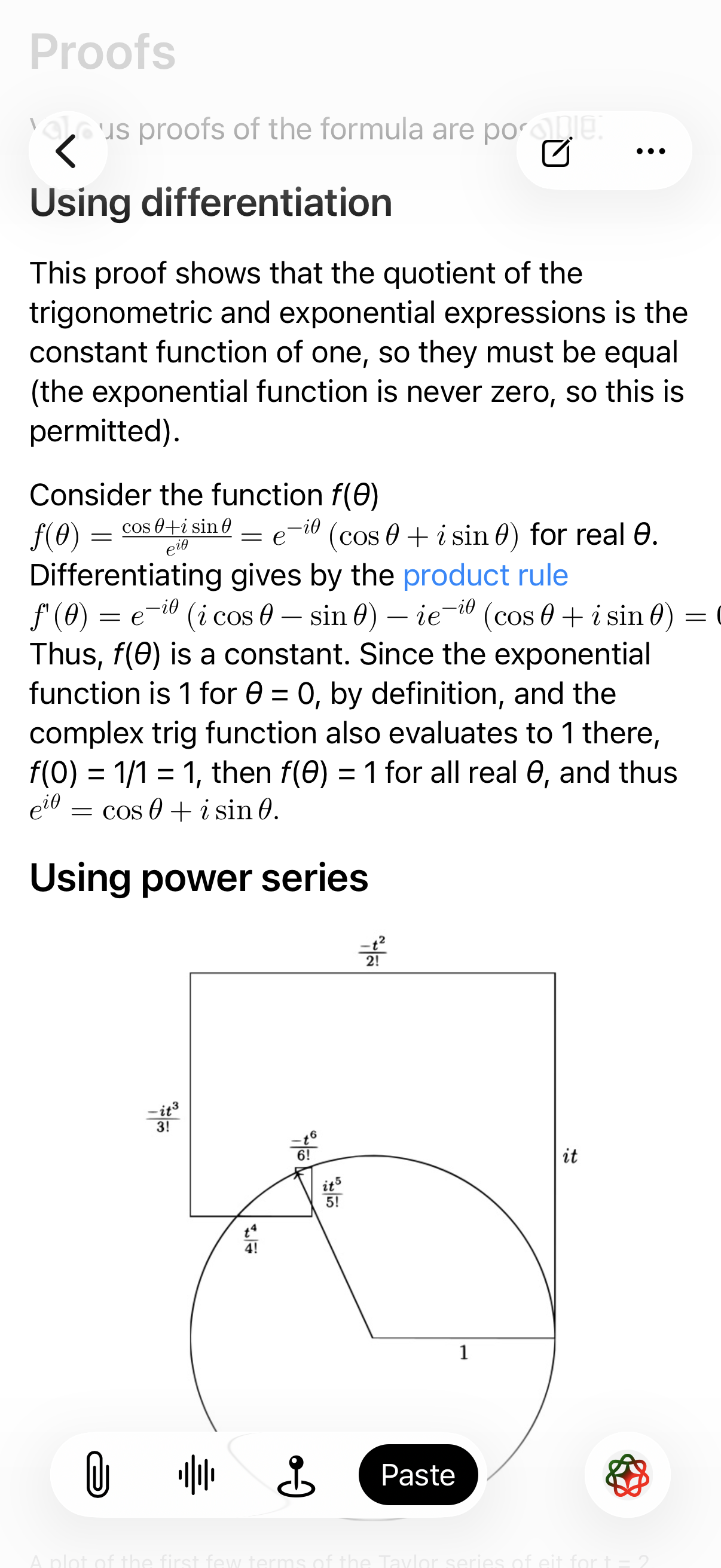
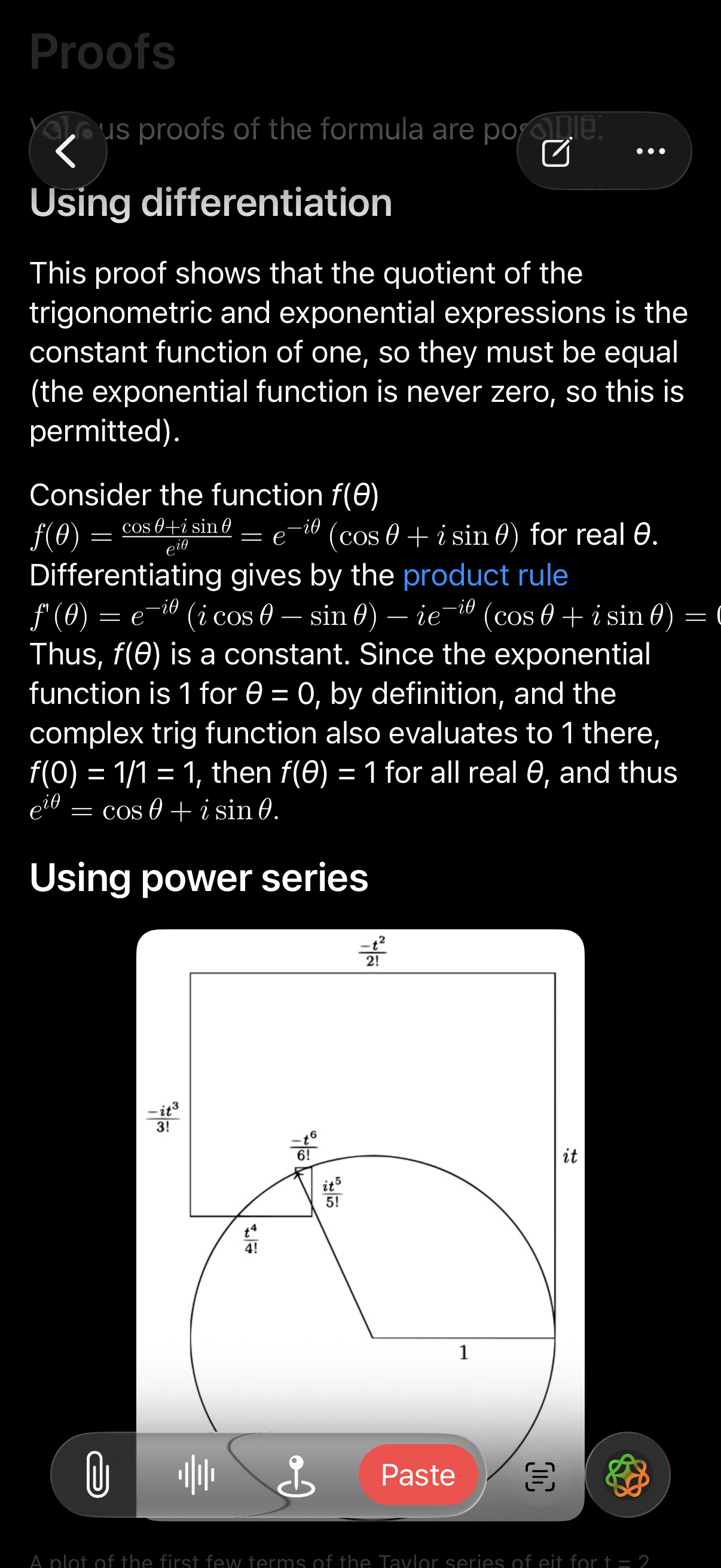
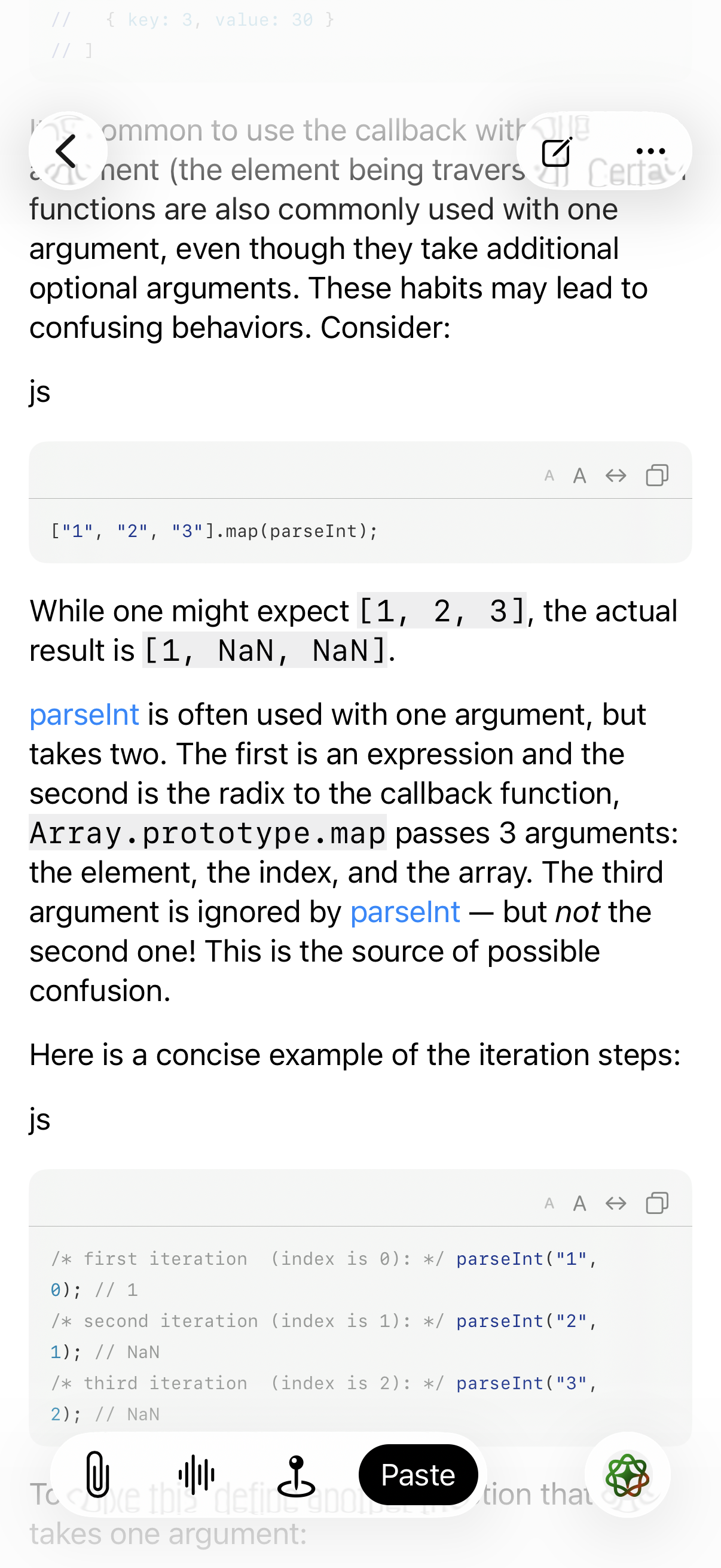
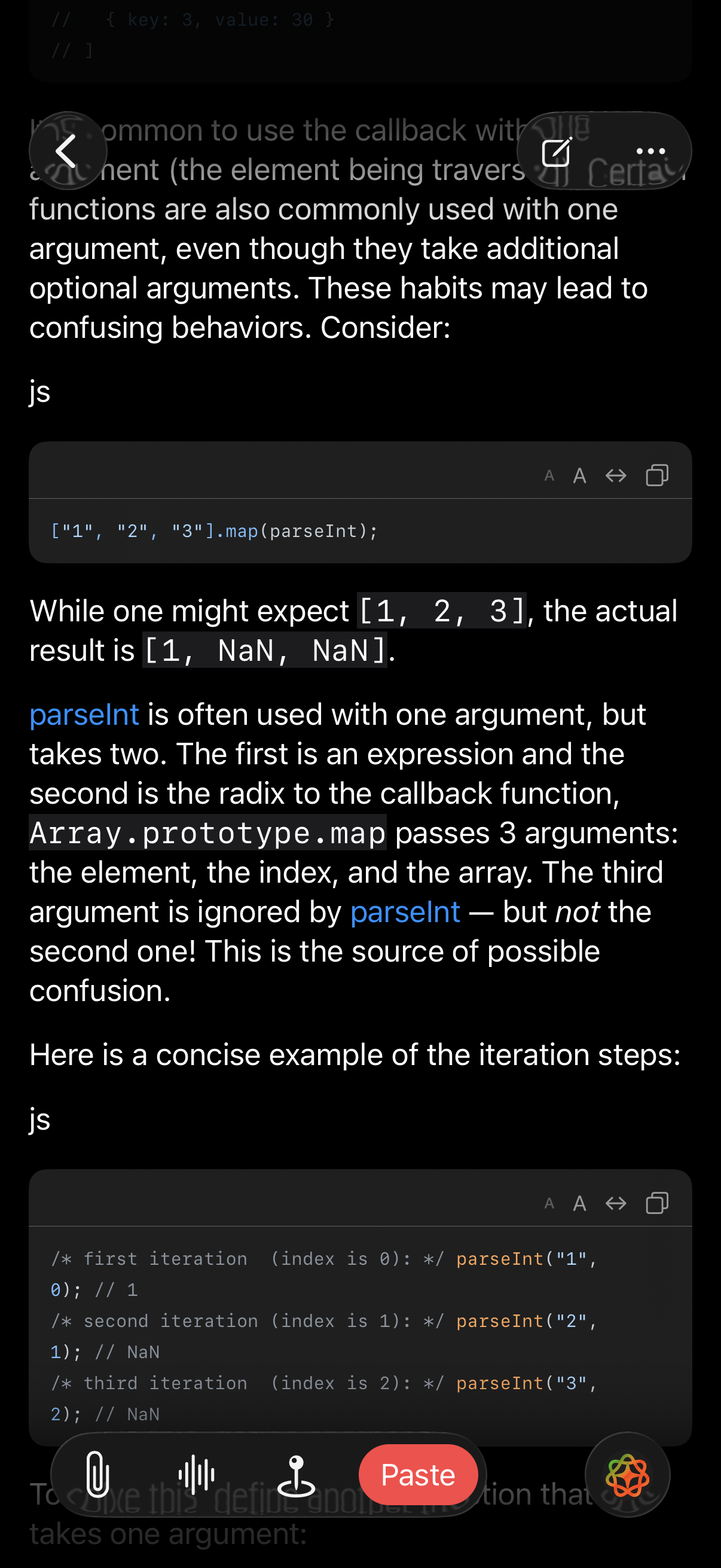
Extraction is only half the promise. The other half is that what comes out the far end doesn't look like a text file with a concussion. Digext keeps the structure the author meant:
- Math is math: equations render as actual notation, not a spill of backslashes and carets.
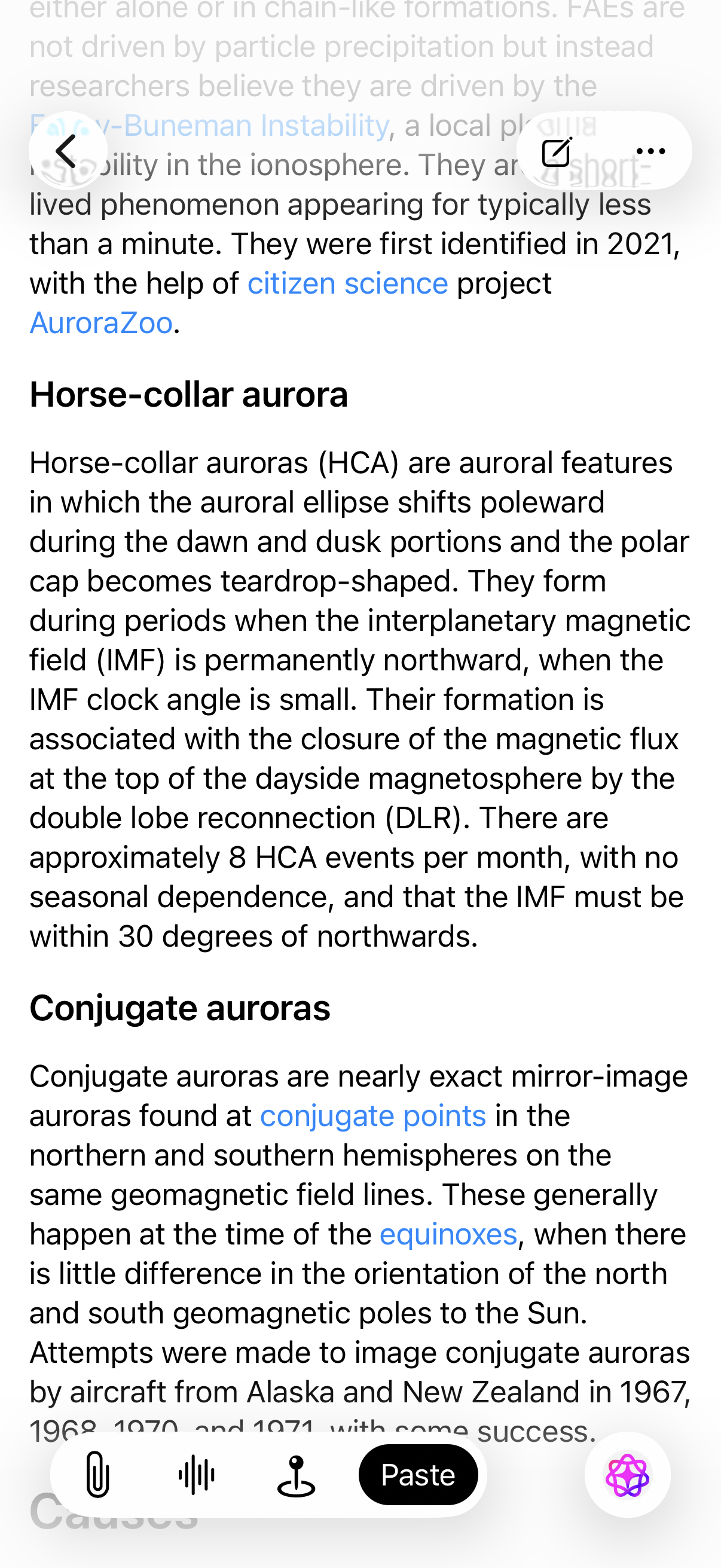
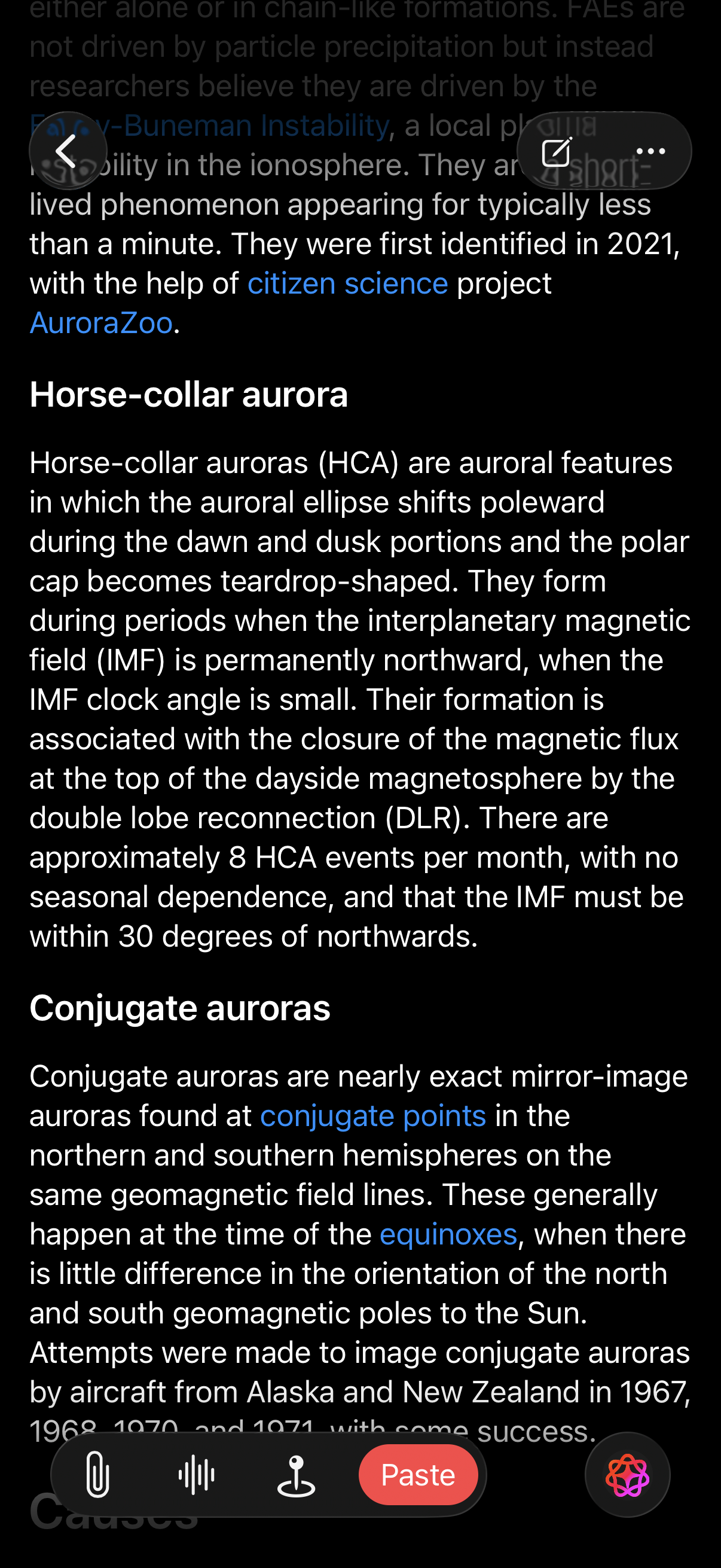
- Markdown structure survives: headings, tables, nested lists, quotes, dividers, all rendered natively.
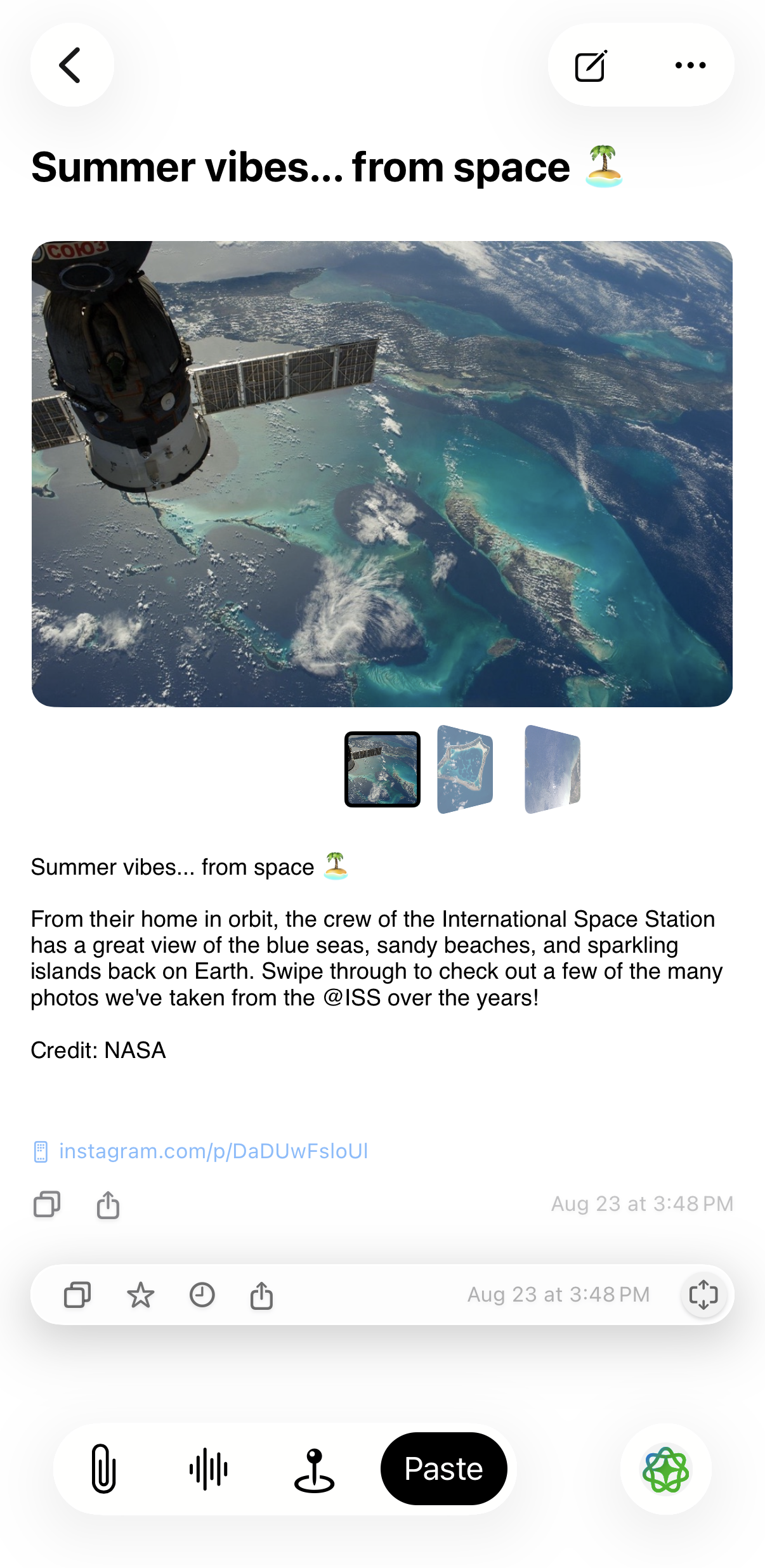
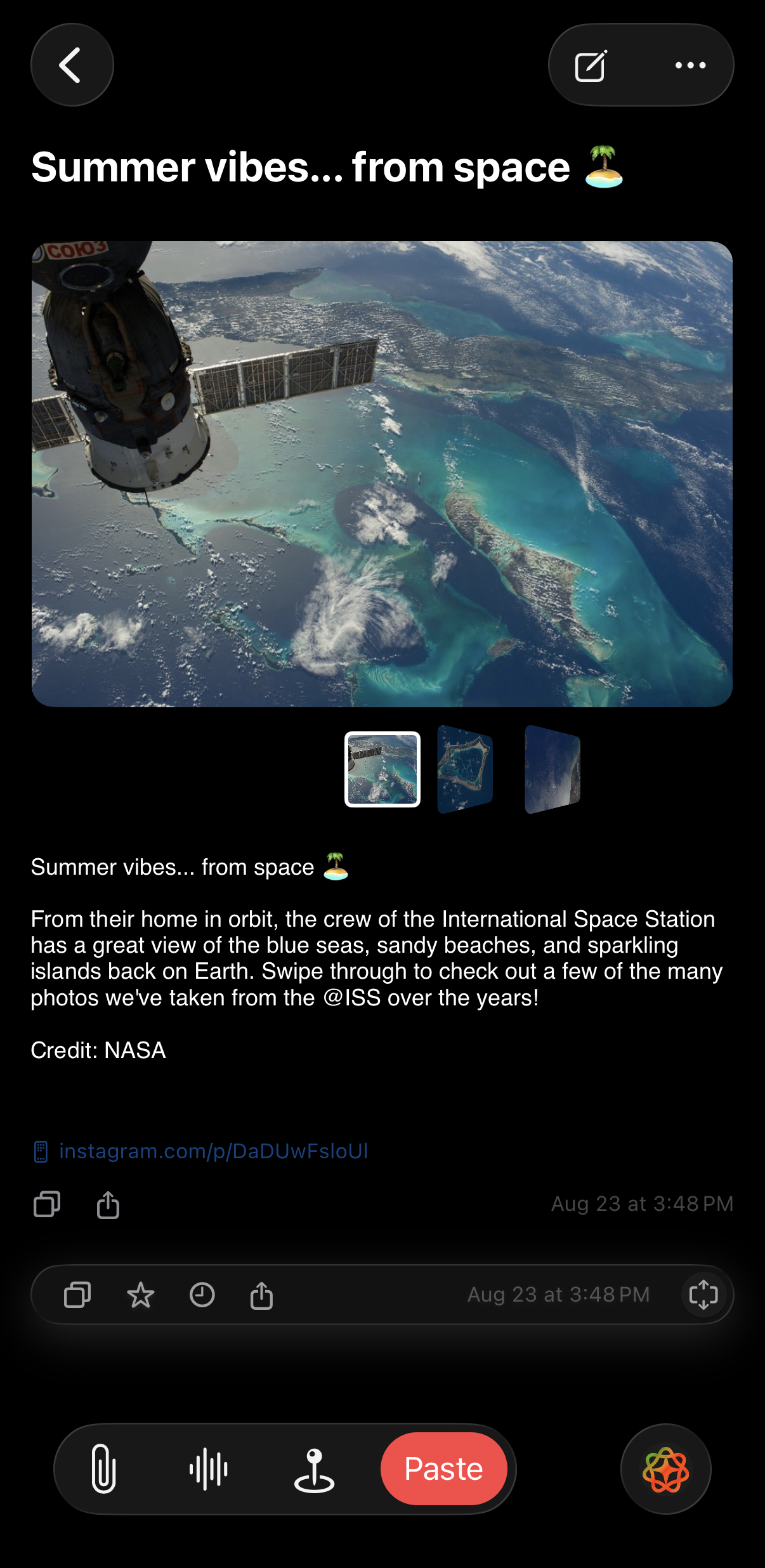
- Galleries become carousels: a photo set lands as a swipeable carousel, not fifteen images stacked into a scroll of despair.
- Code arrives as code: proper blocks, monospaced, syntax-highlighted, copyable as a unit.
The platforms that fight back
Some of the best content lives on platforms that would rather you never leave, wrapped in login walls and install-the-app prompts. Digext's extractors are built for exactly that fight. Public Instagram posts and YouTube videos extract without any login at all: paste the link and the content lands. X asks for more: without a login Digext still does a best-effort extraction and saves what the public page offers, and if you connect your X account in Settings, extraction uses your access to pull the full thread or article, just as seamlessly. Every post in order, with its photos and videos, no app switch.
What we won't pretend
The open web is an infinite tail of edge cases, and any extraction pipeline that claims a 100% hit rate is lying to you. So here's ours, honestly:
- If extraction fails, Digext saves the URL as plain text. You lose nothing; you just don't gain the magic that time.
- If you cancel mid-extraction, you keep whatever was already pulled.
- If you're offline, the paste queues and extracts when you're back. Save on the subway; it sorts itself out on the platform.
We'd rather tell you where the edges are than airbrush them. A tool you trust is a tool whose failures you've been told about in advance.
Paste a link. Keep what it pointed at. That's the whole feature. And the reason it exists is the same reason as everything else here: what you felt was golden should stay exactly that.